Understanding the Role of Precision CNC Machining Suppliers
In today's manufacturing landscape, the importance of precision CNC machining cannot be overstated. Since its inception, CNC (Computer Numerical Control) technology has revolutionized the way parts are produced, leading to remarkable improvements in efficiency, accuracy, and repeatability. A professional precision cnc machining supplier like Honscn leverages these advancements to cater to a wide range of industries, ensuring that high-quality components are produced to exact specifications. Companies depend on these suppliers not only for their technical capabilities but also for their ability to provide expert guidance, rapid prototyping, and timely delivery.
What is Precision CNC Machining?
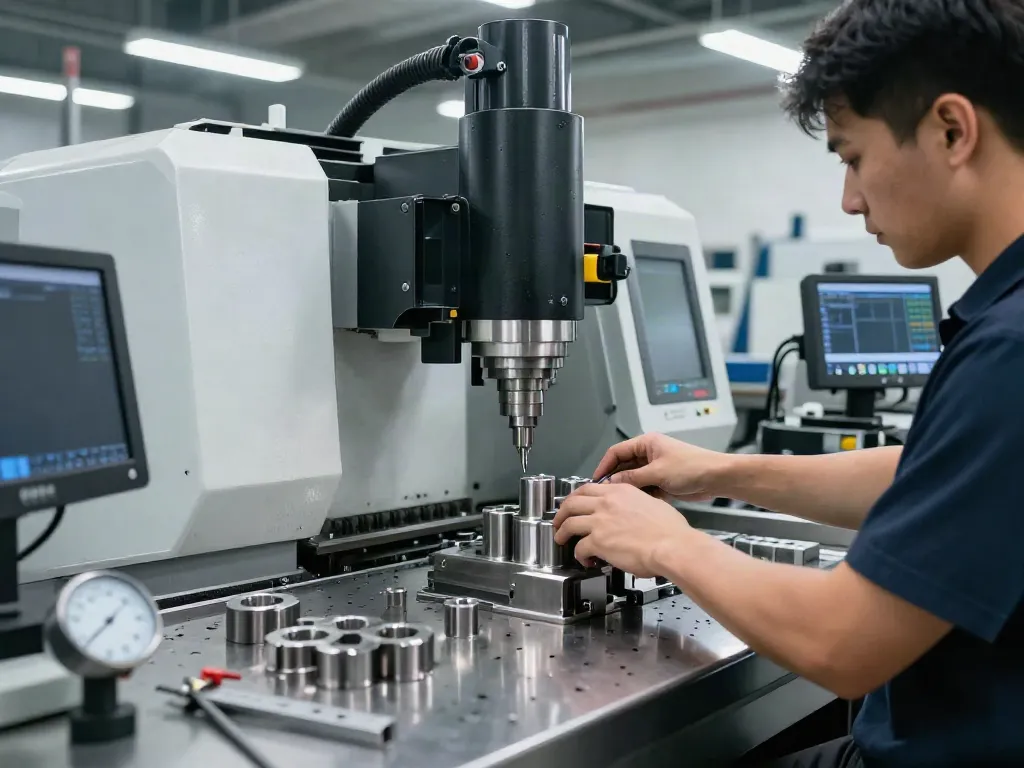
Precision CNC machining refers to the use of high-tech machinery and advanced techniques to manufacture components with extremely tight tolerances and complex geometries. This process employs computerized systems to direct tools and automate machining, which includes cutting, milling, turning, and drilling. The ability to produce intricate parts consistently makes CNC machining integral in sectors such as aerospace, automotive, medical devices, and electronics.
Key Benefits of Using CNC Machining Services
There are several advantages that come with utilizing CNC machining services:
- High Precision: CNC machines can achieve tolerances as tight as ±0.001 inches, allowing manufacturers to produce parts that fit perfectly and function reliably.
- Consistency: Once programmed, CNC machines can replicate parts with unmatched consistency, making them ideal for high-volume production.
- Complex Design Capabilities: CNC machining allows for complex shapes and designs that would be impossible to achieve with manual techniques.
- Reduced Lead Times: The efficiency of CNC machining means that parts can be produced faster, helping companies to reduce their time-to-market.
Choosing the Right Precision CNC Machining Supplier
Selecting the right supplier is crucial for meeting your manufacturing needs. Consider the following factors:
- Experience and Expertise: Ensure that the supplier has a proven track record in your industry.
- Quality Certifications: Look for suppliers with ISO certifications or other relevant quality assurances.
- Technology and Equipment: Assess whether they utilize the latest technology and machinery.
- Customer Support: The level of customer support and communication can greatly impact the efficiency of your projects.
Essential CNC Machining Processes and Techniques
CNC Milling: Techniques and Applications
CNC milling is one of the most common CNC machining processes, where rotary cutting tools remove material from a stationary workpiece. This technique is widely used for creating complex shapes, slots, and cavities in various materials such as metals, plastics, and composites. Key applications include:
- Aerospace Components: Critical components like engine housings and brackets.
- Automotive Parts: High-precision parts such as intake manifolds and transmission cases.
CNC Turning: A Comprehensive Overview
CNC turning involves rotating the workpiece while a stationary cutting tool removes material, shaping it into cylindrical parts. This process is ideal for producing items like shafts, bushings, and custom fittings. It is often used in the manufacturing of:
- Automotive Driveshafts: Precision-engineered for durability and performance.
- Medical Components: Such as tubes and valves that require stringent tolerances.
Injection Molding and CNC Machining Synergy
Injection molding and CNC machining often work hand-in-hand in the manufacturing process. While injection molding is efficient for mass production of plastic parts, CNC machining can refine the initial molds and create intricate features that molds alone cannot achieve. This synergy allows for:
- Faster Prototyping: Quickly creating prototypes to test designs before full-scale production.
- Enhanced Design Flexibility: Making last-minute adjustments to designs without costly delays.
Quality Assurance in CNC Machining
Importance of Quality Control Measures
Quality control is a fundamental aspect of precision CNC machining. Implementing stringent quality measures ensures that the parts produced meet the required specifications and standards. Companies rely on:
- Regular Inspections: Utilizing advanced measuring tools to inspect parts at various stages of the production process.
- Statistical Process Control (SPC): Monitoring and controlling production processes to maintain quality.
Certifications and Standards for Precision Machining
Organizations looking to work with CNC suppliers should be aware of relevant industry standards and certifications, such as:
- ISO 9001: A quality management standard that demonstrates an organization's ability to provide consistent quality.
- AS9100: A standard specifically for the aerospace industry, emphasizing quality and risk management.
How to Implement Effective Quality Processes
To ensure quality in CNC machining operations, companies should focus on:
- Training Employees: Investing in ongoing training and development for machinists and operators.
- Standardizing Procedures: Creating standardized work procedures for consistency.
Innovations and Trends in CNC Machining for 2026
Emerging Technologies in CNC Machining
The CNC machining industry is evolving rapidly. Innovations such as 3D printing, hybrid machining, and advanced robotics are setting new standards in efficiency and capability. These technologies allow for:
- Integrated Solutions: Combining multiple manufacturing processes in a single setup, reducing lead times and costs.
- Smart Manufacturing: Leveraging data analytics and IoT devices to optimize machining processes and maintenance schedules.
Impact of Automation and AI on Precision Machining
Automation and AI technologies are increasingly being integrated into CNC machining settings. These technologies enhance productivity through:
- Predictive Maintenance: Using AI algorithms to predict machine failures before they occur, minimizing downtime.
- Enhanced Decision Making: AI can analyze large datasets to improve production methods and identify efficiencies.
Sustainable Practices in CNC Machining
With growing environmental concerns, sustainable practices are becoming a priority in CNC machining. Companies are adopting methods such as:
- Material Recycling: Using reclaimed materials to reduce waste.
- Energy-Efficient Machinery: Investing in machines that consume less energy and produce fewer emissions.
Building Long-Term Relationships with Customers
Essential Communication Strategies
Effective communication is at the heart of building long-term relationships with customers. CNC machining suppliers should focus on:
- Regular Updates: Keeping clients informed of project progress and any potential issues.
- Feedback Loops: Actively seeking client feedback to improve services and address concerns promptly.
Providing Value-Added Services for Clients
To stand out in a competitive market, precision CNC machining suppliers can offer value-added services such as:
- Design Assistance: Providing expert advice during the design phase to improve manufacturability.
- Post-Processing: Offering additional services such as finishing, plating, or assembly.
Case Studies: Successful Partnerships in CNC Machining
Real-world examples can illustrate the importance of strong supplier-client relationships. Consider the partnership between Honscn and a leading automotive manufacturer:
- Project Outcome: Honscn was able to deliver complex components within stringent timelines, demonstrating reliability and technical expertise.
- Client Feedback: The manufacturer praised Honscn for its proactive communication and quality assurance processes that led to decreased production costs.
What Should You Know Before Engaging with a CNC Supplier?
Before partnering with a CNC machining supplier, consider these factors:
- Project Requirements: Clearly define your technical specifications, budget, and timeline.
- Supplier Evaluation: Assess the supplier’s capabilities through audits, reviews, and previous case studies.
How to Assess CNC Machining Pricing?
Understanding the factors that influence CNC machining pricing will help you find the best value. Key considerations include:
- Material Costs: The type of material greatly affects pricing, with metals typically costing more than plastics.
- Complexity of Design: Intricate parts require more time and labor, impacting overall costs.
Are CNC Machinists Future-proof in the Age of AI?
The role of CNC machinists is evolving with the rise of AI and automation. While some traditional tasks may diminish, the need for skilled operators who can manage and troubleshoot advanced machines will remain crucial. Continued education and adaptability will be key for machinists to thrive in this changing landscape.