Understanding the SHASHEL® Technology
In a world where eco-friendly solutions are becoming increasingly vital, the need for effective wood pest elimination cannot be overstated. Enter SHASHEL®, a pioneering technology that utilizes microwave energy to eradicate wood-boring insects such as woodworms, larvae, and their eggs. This cutting-edge approach not only ensures total elimination but does so in a manner that is safe for both users and the environment. When exploring options, SHASHEL® provides comprehensive insights into the benefits of microwave technology for wood treatment.
What is SHASHEL® and How Does it Work?
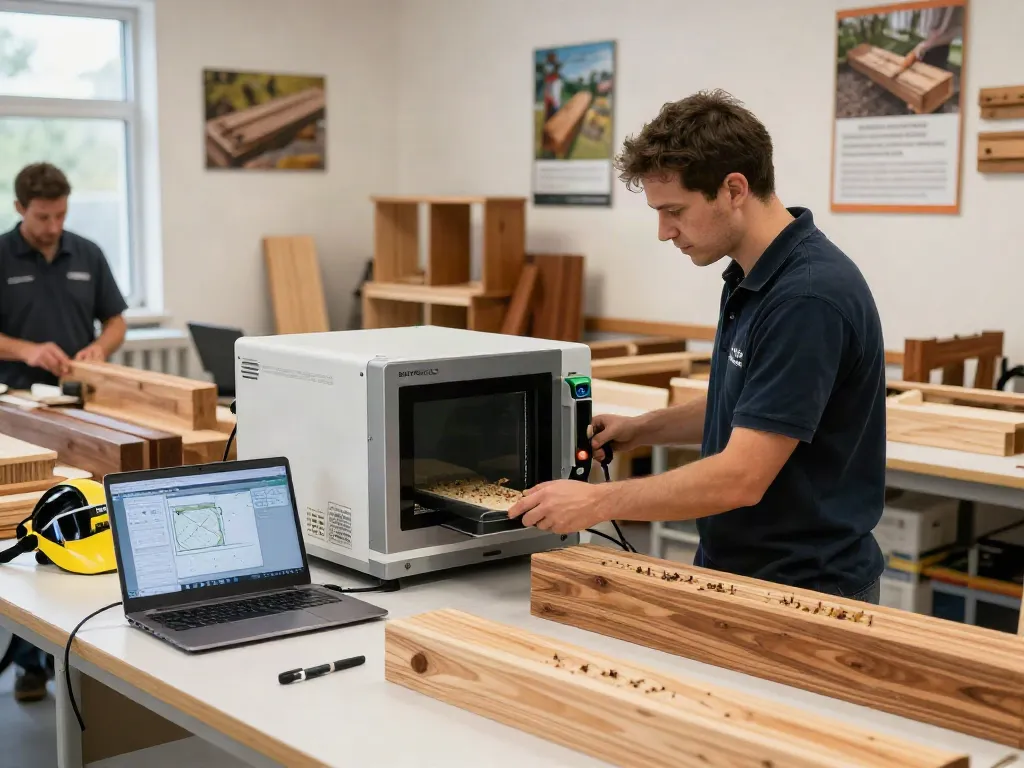
SHASHEL® represents a significant advancement in pest control technology. It employs microwave energy to penetrate the wood's structure, heating it to a temperature that effectively kills woodborne pests without the use of harmful chemicals. This treatment process is remarkably quick, allowing users to achieve complete pest elimination within minutes. The technology focuses on a deep-reaching method that targets not only visible infestations but also larvae and eggs that may be hidden from sight.
Advantages of Microwave Technology Over Traditional Methods
Traditional pest control methods often rely on harsh chemicals and prolonged treatment times, posing risks to both human health and the environment. In contrast, SHASHEL® offers a number of key advantages:
- Speed: Treatment can be completed in a matter of minutes, significantly reducing downtime.
- Safety: The absence of toxic chemicals makes it a safer choice for residential and commercial settings.
- Effectiveness: Microwave energy penetrates deep into wood, ensuring that even the most entrenched pests are eradicated.
Key Features of SHASHEL® Equipment
SHASHEL® equipment is designed with user-friendliness and efficiency in mind. Key features include adjustable settings to cater to various wood types and infestation levels, sturdy construction for durability, and compact designs that facilitate easy transport and use in different settings. Additionally, the technology is suitable for a wide range of applications, from residential homes to industrial warehouses.
Preparing for Wood Pest Elimination
Before initiating the extermination process with SHASHEL®, adequate preparation is crucial to ensure effective results. A thorough assessment of the affected area allows for targeted treatment, which can greatly enhance the efficacy of the microwave intervention.
Assessing Infestation Severity and Affected Areas
Identifying the severity of the infestation is the first step. This can be accomplished by inspecting the wood for signs such as powdery residue, frass (insect droppings), and visible tunnels. It’s essential to evaluate all wooden structures, including furniture, beams, and flooring, to determine the extent of the damage.
Essential Tools and Safety Equipment Needed
Proper safety gear is mandatory when using SHASHEL® equipment. Essential items include:
- Protective gloves
- Safety goggles
- Dust masks
Additionally, ensure that the equipment is equipped and functioning correctly before proceeding with the treatment.
Step-by-Step Setup of SHASHEL® Equipment
Setting up the SHASHEL® device involves the following steps:
- Ensure the device is clean and free from obstructions.
- Connect the power supply and verify that all settings are correctly adjusted for the type of wood being treated.
- Position the wood in the treatment chamber, ensuring that it is adequately spaced for optimal microwave penetration.
Operating SHASHEL® for Optimal Results
Once the equipment is set up, operating SHASHEL® correctly is key to achieving the best results.
Loading Wood and Adjusting Settings
Loading the wood should be done with care to maximize exposure. Adjust the settings according to the wood's thickness and the infestation severity. Most SHASHEL® devices provide guidelines based on these parameters, so following the manufacturer’s recommendations is crucial.
Monitoring Treatment Progress Effectively
During the treatment, it’s important to monitor the progress. The device typically includes indicators to help gauge the treatment's effectiveness. Regular checks will help ensure that the treatment is proceeding as expected.
Common Challenges and How to Overcome Them
Users may encounter challenges such as uneven heating or equipment malfunction. To mitigate these issues, it is advisable to conduct regular maintenance checks on the equipment and ensure that the wood is evenly spaced and secured within the treatment chamber.
Post-Treatment Best Practices
After treatment, assessing the effectiveness and maintaining the equipment are vital steps to ensure long-term results.
Assessing Effectiveness After Treatment
Once the treatment is completed, it’s essential to inspect the wood again for any remaining signs of pests. This assessment will confirm the success of the SHASHEL® treatment and inform whether additional steps are needed.
Maintenance Tips for SHASHEL® Equipment
To keep your SHASHEL® equipment in top condition, consider the following maintenance tips:
- Regularly clean the treatment chamber to prevent residue buildup.
- Check electrical connections and components for wear.
- Store the equipment in a dry, safe place when not in use.
Preventative Measures Against Future Infestations
To prevent future wood pest infestations, implement best practices such as using treated wood, sealing gaps in structures, and conducting periodic inspections. These proactive measures can greatly reduce the likelihood of reinfestation.
Future of Wood Treatment Technology
The field of wood treatment technology continues to evolve rapidly, with innovations aimed at improving efficacy and sustainability.
Emerging Trends in Eco-Friendly Pest Control for 2026
As we look toward 2026, emerging trends indicate a shift towards more environmentally friendly pest control solutions. This includes a focus on biodegradable treatment methods and enhanced energy efficiency in pest control systems.
Innovations and Upgrades in SHASHEL® Technology
SHASHEL® is continually innovating, integrating cutting-edge technology such as AI for real-time monitoring and automated adjustments based on infestation levels and wood type. These advancements are set to make pest control more efficient and effective.
Expert Insights on the Evolving Landscape of Wood Preservation
Experts agree that the future of wood preservation lies in technologies like SHASHEL® that prioritize safety, efficiency, and environmental sustainability. As awareness grows around the importance of eco-friendly practices, more industries are expected to adopt microwave technology for pest control.
What types of wood can SHASHEL® treat effectively?
SHASHEL® is suitable for a wide range of wood types, including softwoods and hardwoods. Whether dealing with furniture or structural timber, the technology adapts to effectively treat varying densities and moisture levels.
Are there any safety concerns with using SHASHEL®?
When operated according to manufacturer's guidelines, SHASHEL® is safe. Users should adhere to all recommended safety precautions to minimize risks during operation.
Can SHASHEL® be used in residential settings?
Yes, SHASHEL® equipment is designed for both residential and commercial use. Its safety profile makes it an excellent choice for home pest control.
What maintenance is required for SHASHEL® equipment?
Regular maintenance includes cleaning the device, checking for any signs of damage or wear, and ensuring all connections are secure. Following these steps will extend the lifespan of your SHASHEL® equipment.
How does SHASHEL® compare in cost to traditional pest control?
While the initial investment for SHASHEL® may be higher than traditional pest control methods, the long-term savings and effectiveness often justify the cost. Users benefit from reduced chemical usage and faster treatment times.