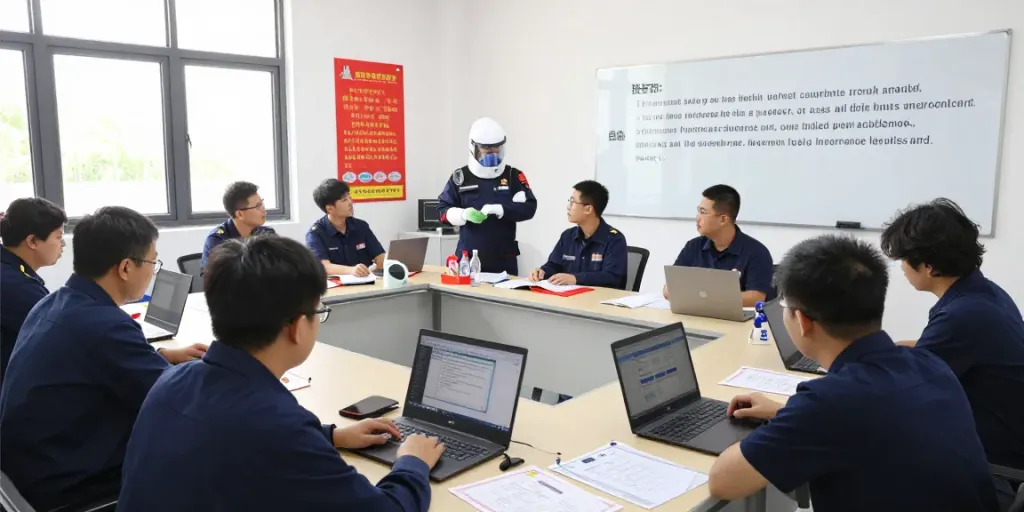
Understanding HSE Training in Saudi Arabia
In a rapidly developing country like Saudi Arabia, the importance of Health, Safety, and Environment (HSE) training cannot be overstated. With industries such as oil & gas, construction, and manufacturing forming the backbone of its economy, the demand for skilled professionals equipped with HSE knowledge and certifications is at an all-time high. From ensuring compliance with national regulations to enhancing workplace safety, effective HSE training is essential for every organization aiming for operational excellence. When exploring options, Training Institute Saudi Arabia provides comprehensive insights into available programs and certifications.
What is HSE Training?
HSE training encompasses a variety of educational programs designed to equip individuals and organizations with necessary skills and knowledge to maintain safety and environmental standards in the workplace. This form of training typically covers topics such as risk assessment, regulatory compliance, emergency response, and sustainable practices. The goal is to foster a culture of safety and responsibility, minimizing accidents and maximizing the protection of employees and the environment.
Importance of HSE Certifications in Compliance
Obtaining HSE certifications is crucial for organizations to demonstrate compliance with local and international safety regulations. Certifications not only signify a commitment to best practices but also enhance organizational credibility and reputation. In Saudi Arabia, various governing bodies mandate specific certifications, making them essential for businesses operating in high-risk industries. By investing in HSE certifications, organizations can avoid legal penalties, reduce workplace hazards, and improve employee morale.
Overview of Training Institute Saudi Arabia Options
With the growing emphasis on occupational health and safety, numerous training institutes in Saudi Arabia offer specialized HSE courses tailored to various industries. These programs range from basic awareness to advanced diplomas and certifications, such as those offered by the National Fire Protection Association (NFPA) and ProQual (UK). The right training institute can provide customized training solutions that fit an organization's unique needs while adhering to local regulations.
Top HSE Certifications Available
National Fire Protection Association (NFPA) Certifications
The NFPA is a globally recognized authority in fire prevention and safety. Their certifications are highly regarded in industries that require fire safety measures, making them critical for HSE professionals. Courses such as NFPA 70E for electrical safety and NFPA 101 for life safety code are just a couple of examples that equip professionals with the knowledge to enhance workplace safety.
ProQual Diplomas in Health and Safety
ProQual offers a range of HSE diplomas, such as the NVQ Level 6 Diploma in Occupational Health and Safety Practice and the Level 7 Diploma in Strategic Health and Safety Leadership and Management. These qualifications are designed to provide in-depth knowledge and practical applications relevant to health and safety management, making them a valuable asset for professionals looking to advance their careers.
ISO Certifications and Their Relevance
ISO standards, such as ISO 45001:2018 for Occupational Health and Safety Management Systems and ISO 14001:2026 for Environmental Management, play a vital role in improving workplace safety and environmental performance. These certifications help organizations implement robust management systems, leading to better compliance and efficiency. Pursuing ISO certifications not only ensures adherence to international standards but also enhances operational productivity and stakeholder trust.
Benefits of Choosing the Right Training Institute
Enhancing Workplace Safety Through Quality Training
Investing in quality HSE training from a reputable institute can significantly enhance workplace safety. Trained professionals are better equipped to identify hazards, implement safety protocols, and respond effectively in emergencies. This proactive approach not only protects employees but also mitigates financial risks associated with workplace accidents.
Career Advancement Opportunities
For individuals, obtaining HSE certifications opens doors to numerous career opportunities. Many organizations prefer candidates with recognized certifications, as these demonstrate a commitment to safety and professional development. Furthermore, advancements in HSE training, such as specialized courses in confined space entry or hazardous materials management, can lead to increased responsibilities and financial incentives.
Compliance with Regulatory Standards
Choosing a training institute that emphasizes compliance with local and international regulations is crucial. Many industries face strict regulatory requirements, and organizations can avoid costly fines and legal issues by ensuring their employees are well-trained and knowledgeable about these standards.
Challenges in HSE Training Implementation
Common Misconceptions about HSE Training
One of the prevalent misconceptions surrounding HSE training is that it’s merely a formality or a box-checking exercise. In reality, effective training is essential for cultivating a safety culture and promoting health and safety awareness among employees. Organizations must understand that investing in HSE training is an investment in their workforce's well-being and operational success.
Overcoming Barriers to Effective Training
Challenges such as time constraints, budget limitations, and employee resistance can hinder the implementation of effective HSE training programs. Organizations can overcome these barriers by providing flexible training schedules, offering incentives for participation, and clearly communicating the importance of HSE training to all employees.
Ensuring Accessibility for All Employees
Accessibility is another critical aspect of effective HSE training. Organizations must ensure that training programs are available to all employees, regardless of their job role. Incorporating e-learning modules and on-site training options can help bridge gaps and ensure that everyone receives appropriate training.
Future of HSE Training in Saudi Arabia
Emerging Trends for 2026 and Beyond
The future of HSE training in Saudi Arabia is poised for innovation and expansion. As the nation continues to diversify its economy and invest in various sectors, the demand for advanced HSE training will likely increase. Expect to see tailored programs that address specific industry challenges, incorporating the latest technologies and methodologies.
Technology Integration in Training Solutions
Technology is progressively playing a significant role in HSE training. Virtual reality (VR) and augmented reality (AR) are increasingly being utilized to simulate real-life scenarios, allowing trainees to engage in hands-on learning without the associated risks. Additionally, online training platforms offer flexibility for working professionals to enhance their skills at their convenience.
Expert Insights on HSE Training Evolution
Industry experts predict that HSE training will evolve with a stronger focus on mental health and wellness in the workplace. As organizations recognize the importance of psychological safety, training programs will need to integrate mental health awareness alongside traditional safety training.
What is the cost of HSE training in Saudi Arabia?
The cost of HSE training can vary widely based on the type of certification, the training institute, and the format (online vs. in-person). Organizations should budget accordingly, considering the long-term benefits of investing in employee safety and compliance.
Which HSE certifications are most recognized?
Some of the most recognized HSE certifications include those from the National Fire Protection Association (NFPA), ProQual (UK), and various ISO certifications. Selecting a certification that aligns with industry standards is vital for career advancement and compliance.
How can organizations customize HSE training?
Organizations can customize HSE training by conducting a needs assessment to identify specific areas for improvement. Collaborating with training institutes allows for the development of tailored training solutions that address the unique challenges faced by the organization.
What are the main benefits of HSE training?
The primary benefits of HSE training include enhanced workplace safety, improved employee morale, compliance with regulations, and potential cost savings associated with reduced accidents and improved operational efficiency.
Where can I find on-site HSE training options?
Many training institutes offer on-site HSE training to cater to organizations' specific needs. It's advisable to research local institutes that provide customized training solutions, ensuring that they align with industry standards and organizational goals.