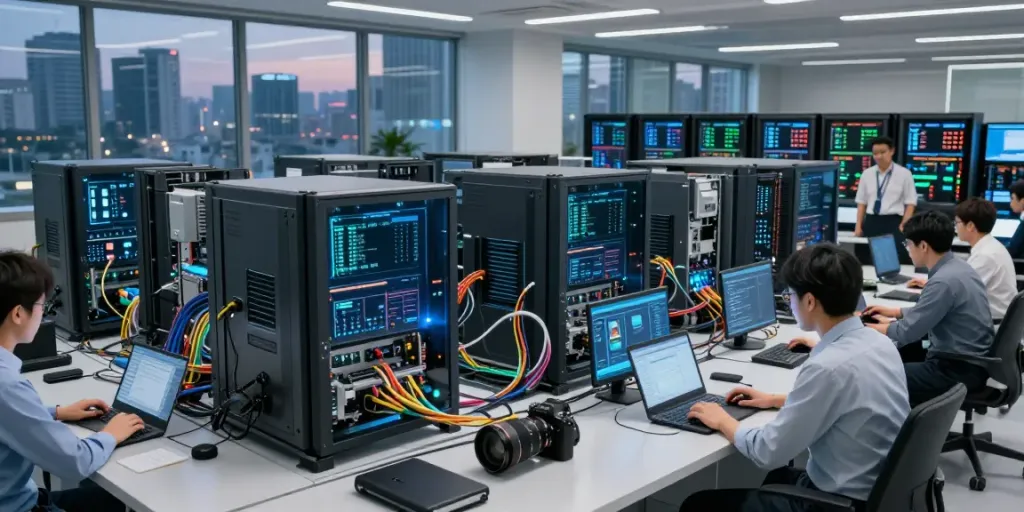
Understanding AI Tokens: The Basics
In the rapidly evolving landscape of artificial intelligence (AI), the concept of tokens has gained significant traction. But what exactly are AI tokens? At their core, they represent the fundamental units of data processed by machine learning models during training and inference. These tokens are essential not only for measuring AI model usage but also for facilitating a new economy built around AI services. When exploring options, what are AI tokens can provide comprehensive insights that will help clarify their importance.
What Are AI Tokens?
AI tokens can be understood as the smallest units of data within an AI system. They can represent a word, part of a word, or even punctuation marks. For instance, in large language models (LLMs), each input sentence is broken down into tokens, which the AI then processes to generate meaningful outputs. The ability to tokenize data allows AI systems to efficiently analyze and generate text, making it a crucial component in natural language processing and generative AI models.
The Role of AI Tokens in Machine Learning
In the realm of machine learning, AI tokens serve multiple functions. They enable models to recognize patterns in data, which is vital for tasks such as sentiment analysis, translation, and image recognition. Every interaction with an AI system, whether that's asking a question or generating text, involves the manipulation of tokens. Thus, the more efficiently these tokens are processed, the more effective the AI model becomes.
Key Differences Between AI Tokens and Cryptocurrency
While the term "token" may conjure thoughts of the cryptocurrency world, AI tokens differ significantly from digital currencies like Bitcoin. Cryptocurrency tokens serve as a medium of exchange or a store of value, whereas AI tokens are units of data that measure computational processes. AI tokens facilitate the billing and usage of AI services; they are not currencies but rather metrics that quantify AI model performance and resource allocation.
The Importance of AI Tokens in the Power Economy
The integration of AI tokens into the energy sector is reshaping how power resources are allocated and utilized. As AI technologies become increasingly prevalent, the need for efficient energy consumption in AI operations becomes apparent. Understanding how AI tokens impact power management is critical for optimizing both AI and energy infrastructures.
How AI Tokens Facilitate Power Resource Allocation
AI tokens play a crucial role in the allocation of power resources across various AI applications. By measuring data usage and processing needs, AI tokens enable the identification of energy-efficient operational strategies. This helps organizations to allocate power resources effectively, maximizing output while minimizing waste, and ensuring that energy consumption aligns with actual computational demands.
Measuring Efficiency: AI Tokens and Power Plans
Power plans designed for AI infrastructures often incorporate AI tokens as a means of measuring efficiency. These plans allow organizations to understand how much electricity is consumed per token processed, providing a clear picture of operational efficiency. By analyzing these metrics, businesses can make informed decisions regarding power scaling, resource allocation, and cost management.
Impact on AI Factory Operations
In AI factories, which are designed to handle high volumes of data processing and AI model training, AI tokens facilitate seamless operations. They help optimize the use of GPUs and other computational resources, ensuring that energy efficiency is maintained while performance is maximized. This not only improves the operational capabilities of AI factories but also leads to reduced overhead costs and increased throughput.
Participating in the AI Token Economy
As the AI token economy continues to grow, opportunities for participation abound. Individuals and businesses alike can engage in various ways, from supporting AI infrastructures to developing applications that utilize AI tokens for their services.
How to Get Started with AI Tokens
Getting started with AI tokens involves understanding how they work and identifying the right avenues for participation. Individuals can explore options such as purchasing AI Infrastructure Power Plans that allow them to contribute to the AI ecosystem. These plans often come with detailed insights into how users' contributions impact AI operations and the rewards they can expect to receive.
Selecting the Right Power Plan
When engaging with AI tokens, choosing the right power plan is essential for maximizing the potential benefits. Different plans offer varying levels of power support and rewards based on users’ contributions. Carefully evaluating the terms of each plan, including capacity and operational profiles, will help participants align their goals with the right plan.
Your Contribution and Reward Calculation
Understanding how contributions are calculated in the AI token economy is vital for participants. Most systems track the electricity supported by a user's power plan and the corresponding AI workloads processed. Incentives are then calculated based on recorded contributions, ensuring that participants are rewarded fairly for their contributions to the AI infrastructure.
Future Trends in AI Tokens and Infrastructure
As technology evolves, so do the dynamics surrounding AI tokens and infrastructure. Emerging technologies will continue to influence the use and value of tokens, creating new opportunities and challenges for participants in this growing economy.
Emerging Technologies and Their Impact on AI Tokens
Technological advancements such as blockchain, edge computing, and improved AI algorithms will shape the future of AI tokens. Blockchain technology, for instance, can provide increased transparency and security, while edge computing can enhance processing efficiency. These advancements will likely lead to more innovative applications of AI tokens and a broader acceptance of token economies in various sectors.
Predictions for AI Token Pricing and Usage in 2026
As we look ahead to 2026, the value and usage of AI tokens are expected to rise significantly. Increased demand for AI services will create a robust market for AI tokens, driving prices upward. Moreover, as organizations strive for greater efficiency in energy consumption and data processing, AI tokens will likely become more integrated into business models across industries.
Future Challenges in AI Token Management
Despite the promising landscape, challenges persist in AI token management. Issues related to regulatory compliance, data privacy, and the environmental impact of energy consumption will require careful navigation. Stakeholders in the AI token economy must be proactive in addressing these challenges to sustain growth and promote responsible practices.
Frequently Asked Questions
How many words are 1000 tokens?
The number of words represented by 1000 tokens can vary, but typically, 1000 tokens equate to roughly 700-800 words in English. This variance depends on the tokenization scheme used and the nature of the text.
What is a token in AI example?
An example of a token in AI would be the word "computer" or the punctuation mark "&." Each is treated as a distinct token during the processing of language by AI models.
Do you pay for AI tokens?
In many cases, users may need to pay for AI tokens when utilizing AI services. This payment can be based on the number of tokens processed during their interactions with the AI, reflecting usage and operational costs.
How much is an AI token worth?
The worth of AI tokens can vary greatly depending on the platform and the specific use case. As demand for AI services increases, the value attributed to tokens will likely rise accordingly.
What are the benefits of participating in the AI Token Economy?
Participating in the AI token economy offers benefits such as earning rewards based on contributions, gaining insights into AI operations, and being part of an innovative and rapidly growing field. Additionally, individuals can potentially contribute to advancements in AI technology and its applications.