Overview of the Manaslu Circuit Trek
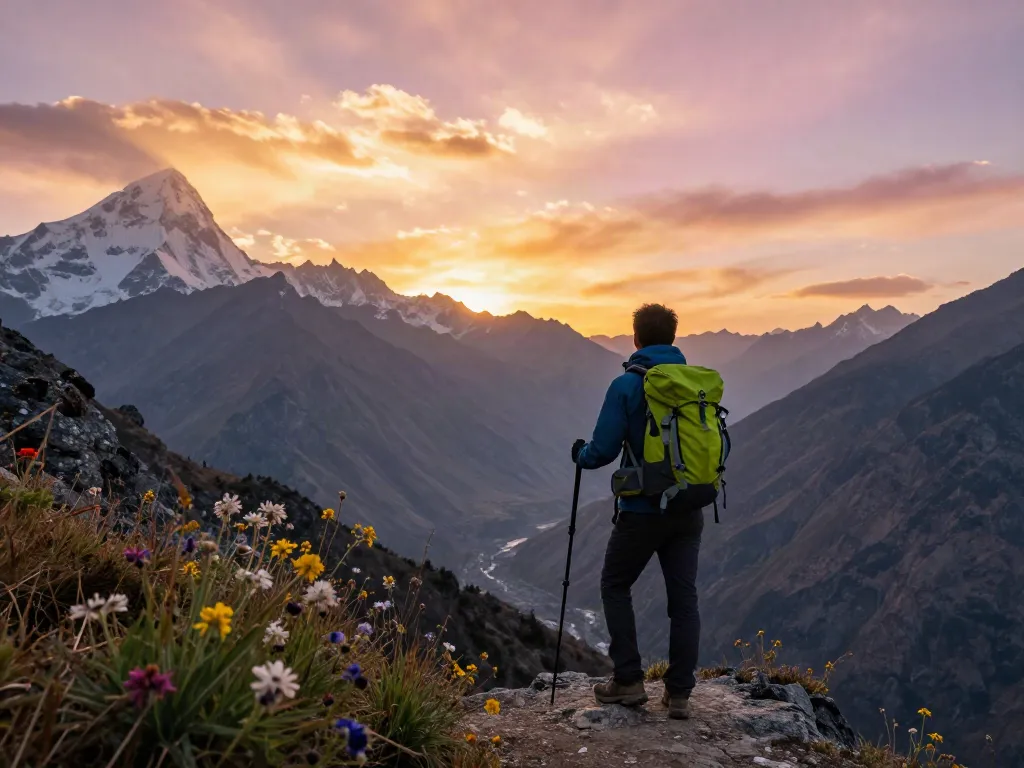
The Manaslu Circuit Trek is an exhilarating adventure that takes trekkers through some of the most breathtaking landscapes in Nepal. This route circles the formidable Mount Manaslu, the eighth-highest peak in the world, and provides an intimate glimpse of the region's rich culture and stunning natural beauty. The trek is known for its less crowded trails, vibrant Tibetan Buddhist culture, and diverse ecosystems. As you navigate through lush valleys, traditional villages, and steep mountain passes, you'll experience the tranquility and ruggedness of this untouched region. The trek's allure is also heightened by its challenging trails, making it a perfect fit for seasoned trekkers seeking a unique experience.
When exploring options, Manaslu Circuit provides comprehensive insights and itineraries tailored to suit various preferences and skill levels.
What is the Manaslu Circuit Trek?
The Manaslu Circuit Trek spans approximately 177 kilometers (about 110 miles) and typically takes around 15 days to complete. This trek allows adventurers to immerse themselves in the stunning natural beauty of the Manaslu region, characterized by verdant valleys, towering peaks, and the pristine Budi Gandaki River. The trek includes several high-altitude passes, with the most notable being the Larkya La Pass at 5,160 meters (16,929 feet), which offers panoramic views of the surrounding mountain ranges.
Why Choose the Manaslu Circuit for Your Next Adventure?
Choosing the Manaslu Circuit Trek is about more than just the physical challenge; it's about engaging with the local culture and witnessing breathtaking landscapes away from the crowds typically found in more popular treks. The experience is enhanced by the diverse flora and fauna within the Manaslu Conservation Area, offering opportunities to see wildlife, such as snow leopards and Himalayan tahr. This trek is ideal for those looking for solitude and a more immersive trekking experience in the Himalayas.
Key Highlights of the Trek
- Scenic views of Mount Manaslu and the surrounding peaks, including Himlung Himal and Kang Guru.
- Exploring traditional Tibetan villages such as Samagaon and Samdo, where you can experience the vibrant local culture.
- A chance to visit sacred sites, such as monasteries and the tranquil Birendra Lake.
- Wildlife spotting opportunities within the Manaslu Conservation Area, which is home to rare species.
- Crossing the dramatic Larkya La Pass, offering one of the most picturesque viewpoints in the region.
Preparing for the Manaslu Circuit Trek
Preparation for the Manaslu Circuit Trek is crucial for a successful and enjoyable experience. The trek's remote nature means that proper planning and packing are essential to navigate the challenges that come with trekking in the high altitudes of the Himalayas.
Essential Gear for the Manaslu Circuit
Your packing list for the Manaslu Circuit should include the following essential items:
- Footwear: Invest in high-quality trekking boots that provide ankle support and have a good grip.
- Clothing: Layering is key. Include thermal base layers, waterproof jackets, and breathable fabrics.
- Sleeping Gear: A durable sleeping bag rated to withstand extreme temperatures is recommended.
- Accessories: Don't forget trekking poles, hats, gloves, sunglasses, and sunblock.
- First Aid Kit: Carry a compact first aid kit with altitude sickness medications and personal prescriptions.
Physical Training and Conditioning
Physical fitness is a significant aspect of preparing for the trek. To help ensure a successful journey, incorporate various forms of training into your routine:
- Cardio: Engage in cardio activities like running, biking, or hiking to build endurance.
- Strength Training: Focus on core and leg strengthening exercises.
- Long Hikes: Practice hiking with a loaded backpack on varied terrain to simulate trekking conditions.
Understanding Trekking Permits and Regulations
To trek in the Manaslu region, you'll need to acquire several permits:
- Manaslu Restricted Area Permit (MRAP): Required for all trekkers in the region.
- Manaslu Conservation Area Permit (MCAP): Helps preserve the area's natural beauty.
- Annapurna Conservation Area Permit (ACAP): Necessary since part of the trek traverses this protected area.
- TIMS Card: This is part of the Trekkers’ Information Management System for tracking trekkers.
All necessary permits are generally arranged by your trekking agency, simplifying the process for adventurers.
Itinerary Breakdown for the Manaslu Circuit
Day-by-Day Itinerary Overview
The comprehensive itinerary spans 15 days, detailing each trek segment, travel, and rest days:
- Day 1: Arrival in Kathmandu - Transfer to your hotel and briefing on the trek.
- Day 2: Drive to Machha Khola - Enjoy the scenic drive and prepare for the trek.
- Day 3: Trek to Jagat - Experience village life as you trek alongside the Budi Gandaki River.
- Day 4: Trek to Deng - Encounter stunning waterfalls and the unique culture of local inhabitants.
- Day 5: Trek to Namrung - Witness breathtaking views of Shringi Himal en route.
- Day 6: Trek to Lho - Enjoy closer views of Manaslu and visit Lho Monastery.
- Day 7: Trek to Samagaon - Explore this significant Tibetan village.
- Day 8: Acclimatization Day at Samagaon - Hike to Manaslu Base Camp and Birendra Lake.
- Day 9: Trek to Samdo - Experience a more remote village atmosphere.
- Day 10: Trek to Dharmashala - Prepare for the Larkya La Pass crossing.
- Day 11: Trek to Bimthang via Larkya La Pass - Stunning panoramic views await you.
- Day 12: Trek to Goa - Enjoy a more leisurely pace as you descend.
- Day 13: Trek to Dharapani - Revel in the beautiful landscapes as you wrap up the trek.
- Day 14: Drive to Kathmandu - Reflect on your journey during the scenic ride back.
- Day 15: Departure from Kathmandu - Transfer to the airport for your final flight.
Accommodation and Food Options Along the Trek
Throughout the trek, accommodation primarily consists of traditional teahouses and lodges, with options for twin-sharing rooms. Food generally includes a mix of local Nepali and Tibetan dishes, with vegetarian options readily available. Meals are nutritious and designed to provide energy for your trekking requirements.
Common Challenges and How to Overcome Them
While the trek is rewarding, it is also challenging. Common obstacles include:
- Altitude Sickness: Ensure proper acclimatization and hydration.
- Weather Changes: Be prepared for rapid weather fluctuations; pack accordingly.
- Physical Strain: Maintain a steady pace and listen to your body.
Always communicate with your guide regarding any challenges you face along the trek.
Safety Considerations on the Manaslu Circuit
Safety is paramount during high-altitude treks. Staying informed about potential risks can help mitigate dangers associated with trekking in remote areas.
Altitude Sickness: Prevention and Management
Altitude sickness is a significant concern on the Manaslu Circuit, as trekkers ascend quickly to high elevations. To prevent altitude sickness:
- Acclimatize properly by allowing your body time to adjust to higher altitudes.
- Stay hydrated; drink plenty of fluids.
- Be aware of symptoms such as headaches, nausea, and fatigue, and communicate with your guide if you experience any issues.
Emergency Protocols and Communication
Have a plan in place for emergencies. Ensure your guide is trained in first aid and has access to communication devices. Satellite phones are often carried for emergencies in remote areas where mobile signals are weak.
Choosing the Right Guide for Your Trek
Your guide is your lifeline during the trek. Choose a reputable agency with experienced guides who are knowledgeable about the terrain and the region. A good guide will ensure your safety and provide valuable insights into the culture and environment.
FAQs About the Manaslu Circuit Trek
How difficult is the Manaslu Circuit Trek?
The trek is considered moderately challenging. It involves daily walks of around 5 to 8 hours, with the highest point at Larkya La Pass. Proper preparation, conditioning, and acclimatization are essential for a successful trek.
What is the best time to trek the Manaslu Circuit in 2026?
The prime trekking seasons are spring (March to May) and autumn (September to November). These months provide stable weather and clear skies, perfect for trekking.
How much does the Manaslu Circuit Trek cost?
The cost typically ranges from $1,500 to $2,500, depending on factors such as the trekking agency, included services, and personal preferences.
Can I trek the Manaslu Circuit solo?
Due to the restricted area nature of the trek, solo trekking is not allowed. You must be accompanied by a licensed guide.
What wildlife can I expect to see on the Manaslu Circuit?
Wildlife you might encounter includes the snow leopard, Himalayan tahr, and various bird species in the Manaslu Conservation Area.