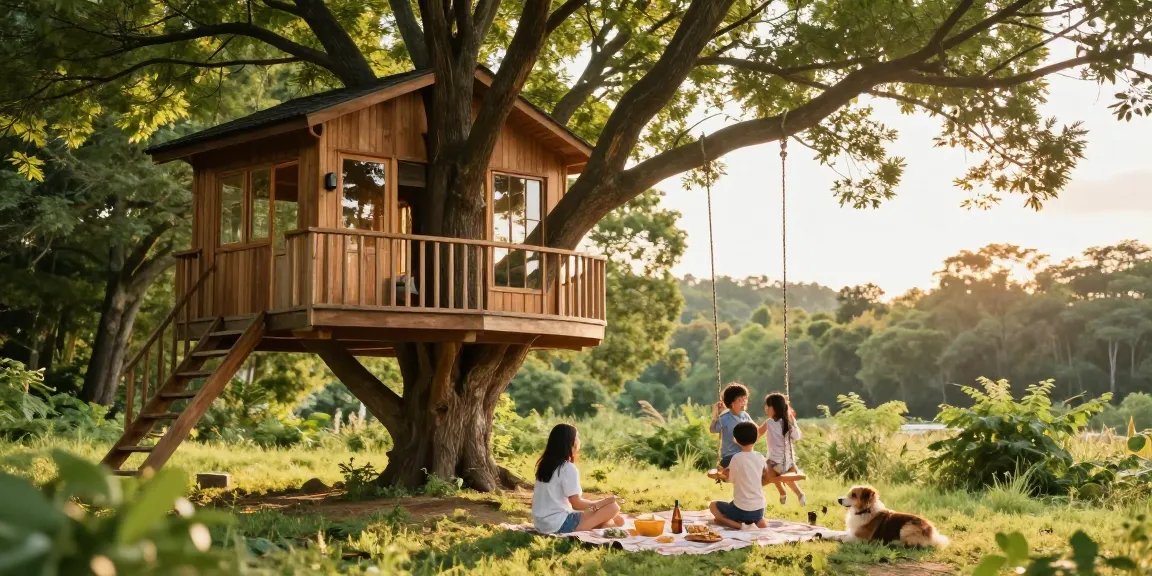
Understanding the Appeal of Treehouses
Treehouses have long captured the imaginations of children and adults alike, evoking a sense of adventure and nostalgia. Nestled among the branches, they represent a unique blend of nature and creativity. In today's fast-paced world, treehouses offer a serene retreat, allowing individuals and families to reconnect with the natural environment. As we explore the myriad benefits and design possibilities of treehouses, we will uncover what makes these structures so special and the joy they can bring into everyday life.
What Makes Treehouses Special?
At their core, treehouses are not just structures; they are sanctuaries of imagination and adventure. Built high above the ground, they allow occupants to experience the world from a different perspective. The settings of these homes are often enhanced by the natural beauty surrounding them. Whether it's a secluded forest, a vibrant garden, or a serene lakeside, treehouses provide an unparalleled connection to nature. The nostalgic allure of these structures often taps into childhood dreams, making them a desirable escape for adults seeking simplicity and serenity.
The Benefits of Treehouse Living
Living in or near a treehouse provides numerous benefits, particularly in terms of mental well-being and creativity. Treehouses create a space where families can bond away from distractions. The elevated position offers a unique vantage point, fostering a sense of adventure and exploration. Furthermore, treehouses encourage outdoor play, leading to increased physical activity for children and adults alike.
- Enhanced Family Bonds: Spending time in a treehouse can create lasting memories.
- Increased Creativity: The unique setting often inspires imaginative play for children.
- Connection to Nature: Treehouses promote outdoor experiences that can enhance appreciation for the environment.
- Peace and Quiet: They serve as a retreat from the noise and stress of daily life.
Treehouses as a Family Retreat
Treehouses can serve as wonderful family retreats, fostering deeper connections and shared experiences. They provide a space away from the hustle of everyday life, encouraging families to slow down and enjoy each other's company. Activities such as storytelling, playing board games, or enjoying a picnic can become treasured rituals. Moreover, treehouses can become venues for special occasions, such as birthday parties or romantic getaways, making them versatile spaces for family fun.
Designing Your Ideal Treehouse
Designing a treehouse requires careful consideration of various factors to ensure safety, comfort, and harmony with nature. The planning phase is crucial, as it sets the foundation for a successful and enjoyable treehouse experience.
Choosing the Right Location
Location is paramount when it comes to treehouse design. A suitable spot should be chosen that not only has a sturdy tree but also offers an engaging view and accessibility. Here are some key considerations:
- Tree Health: Select a healthy, mature tree that can support the structure without compromising safety.
- Surroundings: Look for areas with beautiful vistas or interesting wildlife to enhance the treehouse experience.
- Accessibility: Ensure it’s easy for family members to access and enjoy the space.
Essential Features for Comfort and Safety
While creativity is vital, safety should always come first in any treehouse design. Consider the following features:
- Railings: Installing sturdy railings can prevent falls and enhance safety.
- Safety Ladders: Incorporate safe and easy-to-use ladders for access.
- Comfortable Seating: Ensure there is adequate seating space for relaxation and activities.
- Weatherproof Materials: Use materials that can withstand the elements for durability.
Eco-Friendly Materials and Practices
Incorporating sustainable materials into your treehouse design not only benefits the environment but enhances the overall aesthetic of the structure. Some eco-friendly ideas include:
- Reclaimed Wood: Using reclaimed wood not only reduces waste but also adds character.
- Natural Insulation: Consider using natural products like sheep's wool or cellulose for insulation.
- Solar Power: Installing solar panels can make the treehouse more self-sufficient.
Activities to Enjoy in Your Treehouse
Once your treehouse is built, it’s time to fill it with activities that can be enjoyed by all. The possibilities are endless, making it a perfect space for family bonding and individual pursuits.
Fun Outdoor Games for Families
Treehouses can serve as a fantastic base for outdoor games that promote physical activity and teamwork. Have a look at these engaging activities:
- Scavenger Hunts: Organise scavenger hunts that involve exploring the surrounding area.
- Hide and Seek: The multilevel nature of treehouses adds an exciting twist to classic games.
- Obstacle Courses: Create fun challenges using ropes and swings for physical adventure.
Creative Projects and Crafts
Utilise the enchanting atmosphere of a treehouse for creative projects. Suggestions include:
- Arts and Crafts: Bring supplies to create nature-themed art projects.
- Story Writing: Encourage storytelling sessions where everyone contributes to a collaborative story.
- Gardening: Consider creating a small garden or window boxes to enhance the area.
Nature-Based Learning Opportunities
Treehouses offer the perfect platform for educational activities focusing on nature and science. Suggested activities are:
- Bird Watching: Set up a bird feeder nearby and observe different species.
- Plant Identification: Teach children about local flora and fauna through hands-on experiences.
- Weather Observations: Track weather patterns and learn about meteorology.
Maintenance and Care for Your Treehouse
To ensure the longevity and safety of your treehouse, regular maintenance is vital. Proper care can prevent small issues from becoming significant problems.
Regular Inspections and Repairs
Routine inspections should be scheduled at least once a year to assess the overall structural integrity. Look for signs of wear, such as:
- Loose boards or railings
- Signs of rot or decay
- Insect infestations
Addressing these issues promptly can prolong the life of your treehouse.
Seasonal Upkeep Tips
Seasonal maintenance can help protect your treehouse from harsh weather conditions. Here are some practical tips:
- Spring: Clean gutters and inspect for any winter damage.
- Summer: Apply sealants to protect wood from moisture.
- Autumn: Clear leaves and debris to prevent clogging.
- Winter: Ensure snow does not accumulate excessively on the roof.
Protecting Your Treehouse from Pests
To maintain a comfortable environment, proactive measures should be employed to protect your treehouse from pests. Useful strategies include:
- Regular Cleaning: Keep the space tidy to deter insects.
- Natural Repellents: Use natural pest repellents to minimize chemical usage.
- Screened Windows: Installing screens can help keep insects out while allowing fresh air in.
Future Trends in Treehouse Living
As we move further into the 21st century, treehouses are undergoing a renaissance, combining traditional elements with modern innovations. Here’s a look at emerging trends that will shape the future of treehouse living.
Modern Innovations in Treehouse Design
Today’s designs are becoming more sophisticated, incorporating technologies like:
- Smart Home Features: Integration of smart technology for lighting and security.
- Sustainable Energy Solutions: Use of solar power and rainwater harvesting systems.
- Modular Designs: Creating flexible spaces that can be adapted based on family needs.
Integrating Technology into Your Treehouse
Modern treehouses can blend technology with nature, providing comfort and convenience. Considerations include:
- Wi-Fi Connectivity: Ensuring connectivity for those who want to work remotely.
- Smart Climate Control: Using smart thermostats to regulate temperature efficiently.
- Entertainment Systems: Incorporating audio-visual setups for family movie nights.
Predictions for Treehouse Culture in 2026 and Beyond
Looking ahead to 2026, treehouses are likely to become more popular as people seek sustainable living options. They will play a key role in ecotourism, providing unique stays that connect guests with nature. Additionally, the trend of urban treehouses may emerge, allowing city dwellers to experience nature without leaving their metropolitan environments. The future of treehouse living promises exciting innovations, blending adventure with comfort while respecting the environment.
How much money does it cost to build a treehouse?
The cost of building a treehouse can vary widely based on size, materials, and design, typically ranging from £1,500 to £15,000. Custom features and professional installation will increase the budget.
Is it legal to build a treehouse in your backyard?
Building regulations differ by location, so it's essential to check local laws regarding treehouses. Some areas may require permits, especially if the treehouse is elevated or has permanent structures.
How long do treehouses last?
With proper maintenance, a well-built treehouse can last anywhere from 10 to 30 years. Using quality materials and following maintenance schedules can significantly extend its lifespan.