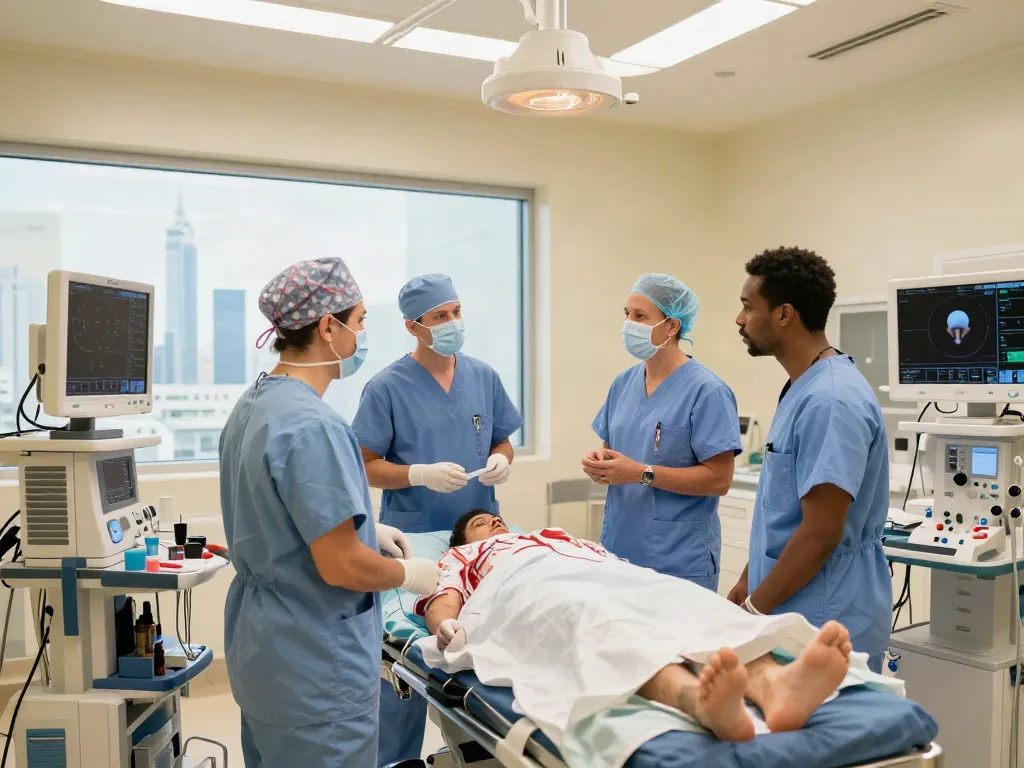
Overview of Heart Transplant in the UAE
Heart transplants have gained significant traction as a life-saving procedure for patients suffering from advanced heart failure. In the UAE, a country known for its rapid advancements in healthcare, heart transplant programs have undergone substantial development, driven by a commitment to provide world-class medical services. With the establishment of specialized cardiac care facilities, patients can receive comprehensive heart treatment, including heart transplants, within the region, eliminating the need for international travel.
When exploring options, Heart transplant UAE provides comprehensive insights into the process, benefits, and potential outcomes associated with heart transplants.
What is a Heart Transplant?
A heart transplant is a surgical procedure in which a failing or diseased heart is replaced with a healthier heart from a donor. This procedure is typically considered for individuals who have reached end-stage heart failure, where conventional treatments have become ineffective. The goal of a heart transplant is to enhance the quality of life and longevity for patients who face severe complications due to heart-related conditions.
History and Development of Heart Transplant Programs
The journey of heart transplantation in the UAE began with significant milestones, including the first successful heart transplant performed at Cleveland Clinic Abu Dhabi in 2017. Since then, the heart transplant program has gained recognition as a pioneering facility in the region, successfully conducting numerous transplants. The program continues to evolve with improved surgical techniques and advancements in post-operative care, ensuring better patient outcomes.
Key Institutions Offering Heart Transplants in the UAE
- Cleveland Clinic Abu Dhabi: As the UAE's first multi-organ transplant facility, it has established a robust heart transplant program, performing hundreds of successful heart transplants since its inception.
- Sheikh Khalifa Medical City: Known for its specialized cardiac services, this institution offers comprehensive heart care, including evaluation and transplantation services.
- Abu Dhabi Health Services Company (SEHA): SEHA manages multiple hospitals with cardiac care units, providing essential services for patients requiring heart transplants.
Evaluating Heart Transplant Options
Factors to Consider Before Choosing a Transplant
Before proceeding with a heart transplant, several factors must be evaluated:
- Medical History: A complete understanding of the patient's medical history enables healthcare providers to determine the appropriateness of a transplant.
- Age and Overall Health: Younger patients with fewer comorbidities generally have better outcomes post-transplant.
- Availability of Donor Hearts: The wait time for a suitable donor heart can vary based on compatibility and urgency.
- Long-term Commitment: Recipients must adhere to a strict regimen of medication and follow-up appointments for their entire lives.
Common Misconceptions About Heart Transplants
Despite advancements in heart transplantation, misconceptions remain. For instance, many believe that a heart transplant guarantees immediate recovery; however, recovery can be prolonged and requires ongoing management. Others may think that living with a transplant is free of complications, but recipients face risks such as organ rejection and the need for lifelong immunosuppressive therapy.
Comparative Analysis: UAE vs. Global Standards
The UAE's heart transplant program is on par with global standards, marked by state-of-the-art facilities and highly skilled surgical teams. Compared to countries with established transplant programs like the USA or Germany, the UAE offers unique advantages, such as reducing wait times and providing culturally sensitive care tailored to local populations.
Understanding the Heart Failure Diagnosis Process
Symptoms of Heart Failure to Look Out For
Heart failure can manifest through various symptoms, including:
- Shortness of breath during routine activities or rest.
- Chronic fatigue or weakness.
- Fluid retention leading to swelling in the legs and abdomen.
- Irregular heartbeats or palpitations.
- Persistent cough or wheezing due to fluid buildup in the lungs.
Diagnostic Testing and Evaluation Techniques
The diagnosis of heart failure involves a comprehensive evaluation, which may include:
- Blood Tests: To identify markers that indicate heart failure.
- Electrocardiogram (ECG): To assess the heart's rhythm and electrical activity.
- Echocardiography: An ultrasound procedure that provides images of the heart's structure and function.
- Cardiac Catheterization: An invasive test to measure pressures in the heart chambers.
Importance of Early Diagnosis for Successful Outcomes
Early diagnosis of heart failure is critical as it enables timely intervention, which can significantly improve outcomes and quality of life. Patients who receive early treatment often experience fewer complications and can better manage their condition long-term.
Innovative Treatments and Technologies
Emerging Techniques in Surgical Procedures
Innovations in surgical techniques have greatly enhanced the safety and efficacy of heart transplants. For example, minimally invasive heart transplant techniques reduce post-operative recovery time and improve overall outcomes. Surgeons trained in advanced methods, such as robotic-assisted surgery, can perform complex procedures with greater precision and less trauma to the patient.
Remote Monitoring and Patient Management Solutions
Recent advancements also include remote heart monitoring technologies. These devices allow healthcare providers to keep track of patients’ heart conditions in real-time, enabling swift interventions when necessary. This approach has proven particularly beneficial in managing patients during the COVID-19 pandemic.
Artificial Heart Pumps: An Alternative Option
For patients who are not candidates for immediate heart transplants, artificial heart pumps (such as LVADs) offer a viable option to assist the heart's pumping ability. These devices can improve the quality of life and bridge patients to transplantation or serve as long-term solutions in some cases.
Patient Experiences and Success Stories
Real-life Patient Testimonials from Cleveland Clinic Abu Dhabi
The success of heart transplant programs is best illustrated through patient testimonials. Many individuals recount their journeys of overcoming severe heart disease, expressing gratitude for the advanced care they received at Cleveland Clinic Abu Dhabi. Their stories often highlight the commitment and expertise of the healthcare teams involved in their treatment.
Impact of Advanced Care on Patient Quality of Life
Advanced care not only prolongs life but also enhances its quality. Patients often experience significant improvements in daily activities, such as returning to hobbies and spending valuable time with family. The holistic approach to heart care at Cleveland Clinic Abu Dhabi ensures that mental and emotional well-being is also a priority in the recovery process.
Lessons Learned from Heart Transplant Journeys
Patients undergoing heart transplants share valuable lessons with others facing similar health challenges. These include the importance of adhering to medical advice, maintaining a healthy lifestyle, and establishing a strong support system. Their experiences serve as inspiration for those navigating the complexities of heart disease and transplantation.
How Much Does a Heart Transplant Cost in the UAE?
The cost of a heart transplant in the UAE can vary significantly based on factors such as the hospital, the complexity of the case, and the patient's overall health. It is essential for patients to consult with their healthcare providers and insurance companies to understand potential costs and coverage options.
What is the Success Rate of Heart Transplants?
Heart transplant success rates have improved over the years, with current rates showing that around 85% of patients are alive one year post-transplant and over 70% survive for five years. Continuous advancements in surgical techniques and post-operative care contribute to these positive outcomes.
Can You Live a Full Life After a Heart Transplant?
Absolutely! Many heart transplant recipients lead full, active lives post-transplant. With proper care and adherence to medical protocols, patients can return to their normal activities, including exercise and travel, significantly enhancing their overall quality of life.
What Are the Long-Term Care Requirements Post-Transplant?
Post-transplant care involves regular follow-ups and lifelong use of immunosuppressive medications to prevent organ rejection. Patients also need routine blood tests and heart evaluations to monitor their condition effectively.
Assistance for Heart Transplant Patients in the UAE?
The UAE offers various support services for heart transplant patients, including educational resources, psychological support, and assistance programs to help with post-transplant recovery. Hospitals like Cleveland Clinic Abu Dhabi provide comprehensive care that addresses both physical and emotional health needs.