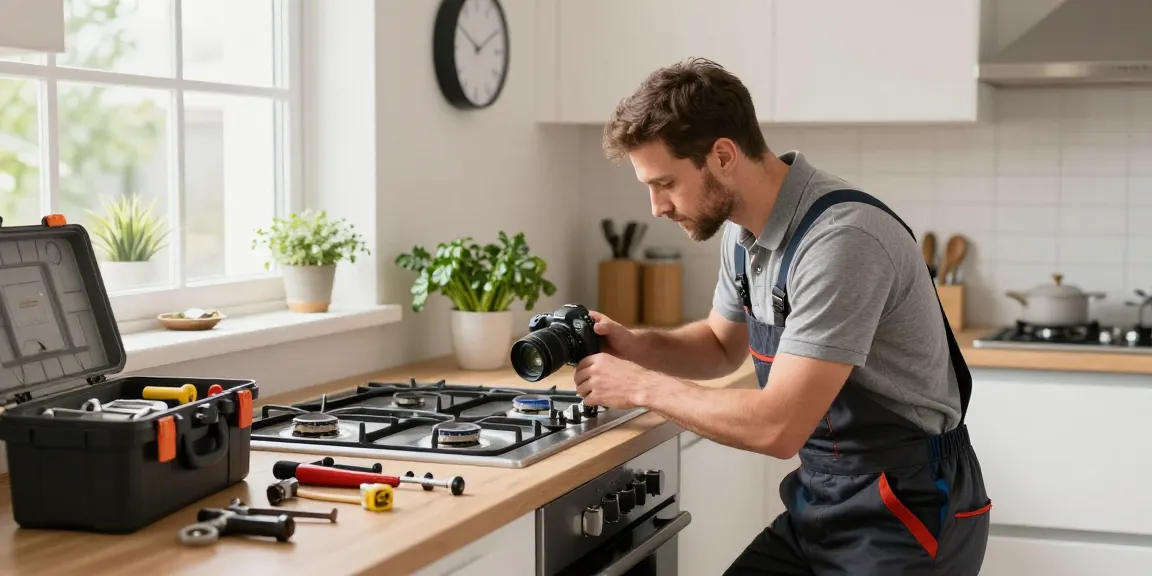
Understanding Gas Stove Repair: Common Issues Explained
Gas stoves are a staple in many kitchens, prized for their efficiency and ability to provide instant heat for cooking. However, like any appliance, they can encounter issues that require timely attention. From igniter failures to uneven cooking temperatures, understanding these common problems is essential for homeowners. Recognizing the signs early can help mitigate costly repairs and ensure the safety of your kitchen environment. When exploring options, Gas stove repair services can provide comprehensive insights into resolving these issues efficiently.
What Are the Most Frequent Gas Stove Problems?
Gas stoves are generally reliable, but several common issues can arise:
- Ignition Problems: The igniter may fail to spark or may click continuously without igniting the gas.
- Uneven Heating: Burners might not distribute heat evenly, leading to undercooked or burnt food.
- Gas Smell: If you detect a gas smell, it may indicate a leak that needs immediate professional attention.
- Temperature Regulation Issues: The stove fails to maintain the desired heat level, affecting cooking times.
- Burner Malfunctions: Burners may produce weak or uneven flames, impacting cooking efficiency.
Signs That Your Gas Stove Needs Repair
Recognizing the signs of a malfunctioning gas stove is crucial:
- Flame Color: A yellow or orange flame can indicate incomplete combustion, which is unsafe and requires repair.
- Difficulty Igniting: If the burner doesn’t ignite after several attempts, it may indicate an ignition or gas supply issue.
- Unusual Noises: Hissing or popping sounds can signify problems with gas flow or burner assembly.
- Excessive Heat: A stove that overheats may need to be examined for faulty temperature control components.
Understanding Gas Stove Components and Their Functions
An understanding of your gas stove's components can help identify potential issues:
- Burners: The main elements where pots and pans sit. They create heat through gas combustion.
- Igniter: An electrical component that creates a spark to ignite the gas.
- Regulator: Controls the flow of gas to the burners.
- Knobs: Allow users to adjust flame levels. Faulty knobs can affect operation.
- Grates: Support pots and pans while allowing airflow beneath for heating.
Professional vs DIY Gas Stove Repair: Evaluating Your Options
When facing gas stove issues, homeowners often debate whether to handle repairs themselves or hire a professional. While DIY repairs can be tempting, they come with risks, particularly when dealing with gas lines. Understanding when to call a professional is pivotal for safety and effective resolution.
When to Call a Professional for Gas Stove Repair?
Certain situations clearly necessitate professional intervention:
- Gas Leaks: Any indication of a gas leak should prompt an immediate call to a repair service.
- Electrical Failures: Ignition problems that might involve electrical components are best handled by experts.
- Complex Repairs: Issues involving the gas supply lines or intricate internal components should be left to professionals.
Common DIY Gas Stove Repair Techniques
Homeowners can attempt some basic repairs:
- Cleaning Burners: Regular cleaning can help ensure even heat distribution and proper ignition.
- Replacing Knobs: If knobs are stripped or malfunctioning, replacements can often be handled at home.
- Inspecting Gas Lines: Minor visual inspections can help identify obvious problems like loose connections.
Safety Precautions for DIY Gas Stove Repairs
Before attempting any DIY repairs, prioritize safety:
- Turn Off the Gas: Always shut off the gas supply before conducting any repairs.
- Use Proper Tools: Ensure you have the necessary tools to avoid further damage to the appliance.
- Consult Manuals: Refer to your stove’s manual for specific guidelines and troubleshooting steps.
The Importance of Timely Gas Stove Repairs in 2026
As kitchens evolve, the significance of timely gas stove repairs continues to grow. This is particularly true in urban settings like Dubai, where safety and efficiency are paramount.
Effects of Delaying Gas Stove Repairs on Performance
Neglecting repairs can lead to a range of negative outcomes:
- Increased Costs: What starts as a minor issue can escalate into a costly problem if left unattended.
- Safety Risks: Gas leaks and other issues pose serious safety hazards, including fire risks.
- Decreased Appliance Lifespan: Timely repairs can extend the life of your gas stove, saving money in the long run.
Long-term Benefits of Regular Maintenance
Implementing regular maintenance practices offers numerous advantages:
- Optimal Efficiency: A well-maintained stove operates more efficiently, saving both energy and money.
- Improved Safety: Regular checks ensure that all components function correctly, reducing safety hazards.
- Enhanced Cooking Experience: Reliable performance contributes to better cooking results and overall satisfaction.
How to Prevent Future Gas Stove Issues
Preventing future gas stove issues requires proactive measures:
- Regular Cleaning: Keep burners and igniters clean to avoid clogs and ignition failures.
- Annual Inspections: Schedule professional inspections annually to catch potential issues early.
- Stay Informed: Understand common signs of wear and tear, allowing for quick action when problems arise.
The Gas Stove Repair Process: What to Expect
Understanding what to expect during the gas stove repair process can alleviate anxiety for homeowners. A systematic approach ensures effective resolution of issues.
Step-by-Step Guide to Professional Gas Stove Repair
Here's what typically occurs during a professional repair:
- Initial Consultation: The technician will discuss the reported issues and gather relevant details.
- On-Site Diagnosis: The technician will inspect the stove to identify the underlying problem.
- Transparent Quote: An itemized quote is provided before any work begins, allowing for approval.
- Repairs: Necessary repairs are conducted using quality parts.
- Testing: The stove is rigorously tested to ensure functionality.
- Final Check: A last inspection confirms the appliance is safe and functioning correctly.
What to Look for in a Gas Stove Repair Service
Choosing the right repair service is crucial for effective solutions:
- Experience and Certifications: Look for technicians with ample experience and relevant certifications.
- Customer Reviews: Read reviews or testimonials to gauge satisfaction levels from previous clients.
- Response Times: Consider services that offer quick response times, especially in emergencies.
Importance of Using OEM Parts for Gas Stove Repair
Using Original Equipment Manufacturer (OEM) parts is critical for several reasons:
- Quality Assurance: OEM parts are designed specifically for your appliance, ensuring compatibility and performance.
- Warranty Coverage: Many manufacturers require OEM parts for warranty compliance.
- Long-Term Reliability: OEM parts typically offer better longevity than generic alternatives.
Future Trends in Gas Stove Repair Services
The gas stove repair industry continues to evolve, influenced by technological advancements and changing consumer preferences.
Innovations in Gas Stove Repair Techniques
New technologies are shaping how repairs are conducted:
- Smart Diagnostics: Many modern stoves now feature built-in diagnostic tools that can help technicians identify issues more efficiently.
- Advanced Materials: Improvements in materials used for repairs promise longer-lasting solutions.
- Remote Assistance: Some companies offer remote diagnostics, allowing issues to be assessed before a technician arrives.
How Technology is Shaping the Gas Stove Repair Industry
Technology is streamlining repair services:
- Scheduling Tools: Online booking systems and apps facilitate easy scheduling of repairs.
- Digital Payment Options: Many services now accept digital payments for convenience.
- Enhanced Communication: Customers can receive real-time updates about their service status through SMS or apps.
Predictions for Gas Stove Repair Needs in the Coming Years
The demand for gas stove repairs is expected to increase as more households rely on these appliances:
- Growing Popularity of Gas Cooking: As culinary trends favor gas cooking, the number of serviced stoves will rise.
- Environmental Considerations: Energy-efficient gas stoves will generate a heightened focus on repair over replacement.
- Diverse Market Needs: As cooking styles diversify, specialized repair services may evolve.
What Are the Key Questions to Ask a Gas Stove Repair Professional?
Before committing to a repair service, consider asking these critical questions:
- What is your experience with my stove brand?
- Can you provide references or testimonials?
- What type of warranty do you offer on repairs?
How Can You Choose the Right Gas Stove Repair Company?
Selecting the right repair company involves careful consideration:
- Research Options: Look for local companies with a strong reputation in gas stove repairs.
- Compare Quotes: Get several quotes to ensure fair pricing.
- Assess Customer Service: Evaluate how responsive and helpful the company is during initial inquiries.