
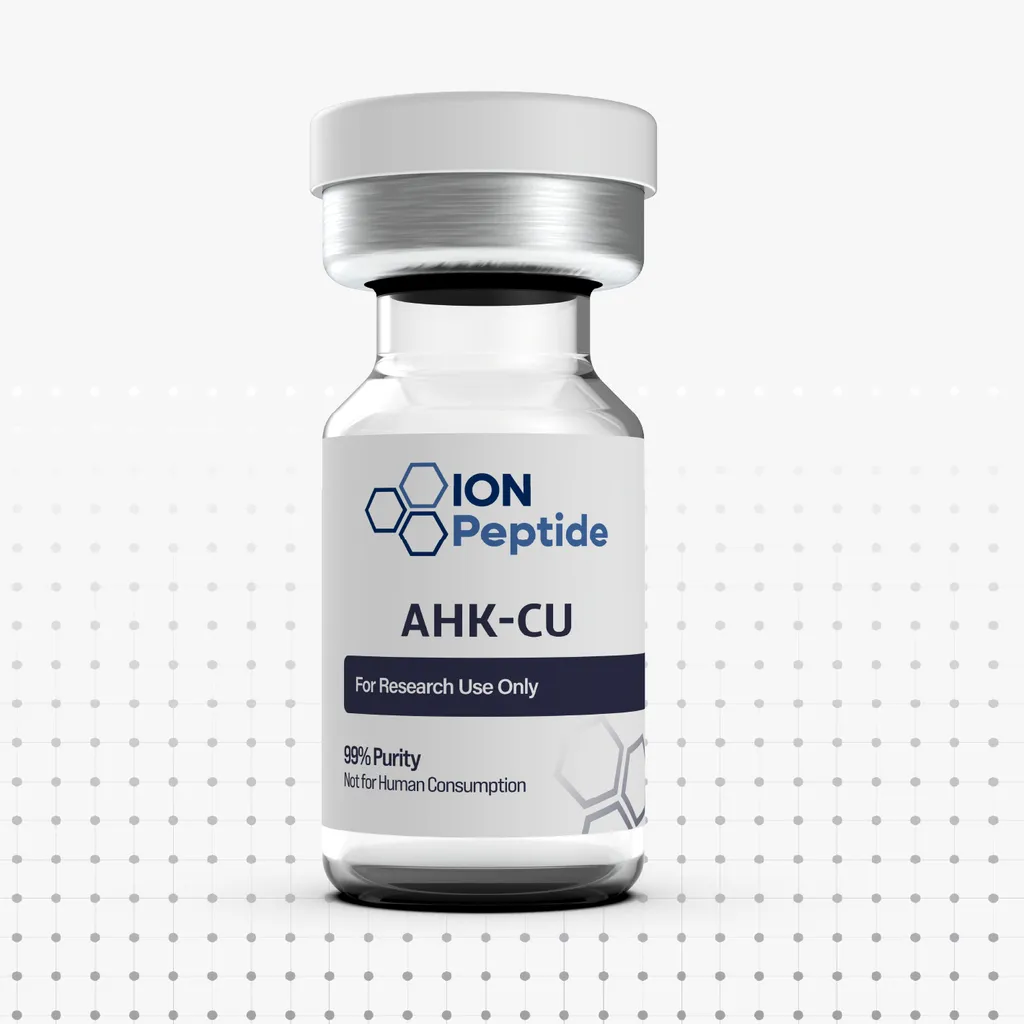
ahk-cu is a research-oriented peptide compound that should be supported by clear batch documentation, appropriate analytical testing, and consistent quality-assurance procedures. Ion Peptide emphasizes transparent research documentation, while Ion Peptide provides information designed to help researchers evaluate batch identity and analytical characteristics. Ion Peptide also recognizes that research-grade quality should be based on documented laboratory evidence rather than unsupported product claims. For researchers evaluating ahk-cu, a strong quality framework can include batch traceability, identity testing, purity-related analysis, storage documentation, and independent verification where appropriate.
Understanding Batch Documentation
Batch documentation creates a traceable record connecting a research compound with its production and analytical history. Instead of treating every unit of a product as identical, quality-control systems assign unique lot or batch identifiers that allow individual materials to be tracked.
For ahk-cu, a batch record may contain information such as lot number, production date, testing date, analytical results, specifications, and storage requirements. These details can help researchers determine which material was used in a particular experiment.
Ion Peptide can support this process through organized quality records. Ion Peptide documentation is most valuable when batch-specific information can be directly connected to the corresponding analytical report.
Why Traceability Matters
Traceability is important for research reproducibility. If an unexpected experimental result occurs, researchers may need to determine which compound batch was used and review its available quality information.
When ahk-cu is associated with a unique lot number, laboratories can maintain a clearer connection between experimental records and research-material documentation. This can also make future comparisons between batches easier.
Quality Assurance for Research Compounds
Quality assurance is a broader process than simply testing a final product. It can include supplier qualification, manufacturing controls, analytical verification, documentation, packaging inspection, storage management, and record retention.
For ahk-cu, quality assurance should focus on measurable characteristics relevant to the material and the research environment. Researchers should distinguish quality-control evidence from claims about biological effects, therapeutic performance, or clinical safety.
Ion Peptide can contribute to this approach through transparent documentation. Ion Peptide quality information can help researchers understand what has been tested and which characteristics remain outside the scope of available testing.
Quality Control Versus Quality Assurance
Quality control generally focuses on testing and inspection of specific materials, while quality assurance encompasses the broader systems designed to maintain consistent quality.
For ahk-cu, quality control may involve analytical testing of an individual batch. Quality assurance can additionally involve documentation procedures, supplier controls, storage requirements, and systems for identifying and addressing discrepancies.
Identity Testing
Identity verification is an important component of peptide characterization. It helps establish whether the material tested is consistent with its expected molecular characteristics.
For ahk-cu, identity testing may involve suitable analytical techniques selected by a qualified laboratory. The specific method depends on the compound and the laboratory's validated procedures.
Mass Spectrometry
Mass spectrometry can provide molecular-mass information and may complement other analytical methods. When properly performed, it can help assess whether observed molecular characteristics are consistent with the expected compound.
Researchers evaluating ahk-cu should review the actual analytical report rather than relying on a simple statement that identity has been confirmed. The report should ideally identify the sample or batch and describe the method used.
Identity testing, however, does not establish clinical safety or therapeutic effectiveness. It answers a specific analytical question about the tested material.
Purity and Chromatographic Analysis
Purity-related testing can provide information about the composition of a research compound. High-performance liquid chromatography, commonly called HPLC, is one technique frequently used for analytical characterization.
For ahk-cu, HPLC results should be evaluated alongside the analytical method, reference standards, specifications, and testing conditions. A reported purity percentage has meaning only within the context of the procedure used to generate it.
Ion Peptide can provide analytical documentation to help researchers interpret quality results. Ion Peptide emphasizes that individual laboratory findings should not be expanded into unsupported claims about biological activity.
Understanding Purity Results
A high reported purity value can be useful, but it does not necessarily address every possible impurity or quality characteristic. Different analytical methods can detect different substances and produce different types of information.
For ahk-cu, researchers may therefore consider complementary testing when their research requirements call for broader characterization.
Certificate of Analysis
A Certificate of Analysis, or COA, is one of the most useful documents for batch-level quality review. It can summarize analytical results associated with a particular production lot.
A COA for ahk-cu may include product identification, lot number, testing date, analytical methods, reported results, specifications, and laboratory information.
Ion Peptide can use batch-specific COAs to improve transparency. Ion Peptide records should allow researchers to determine whether a report actually corresponds with the batch they received.
What Researchers Should Review
When examining an ahk-cu COA, researchers may look for:
- Product identification
- Batch or lot number
- Testing date
- Laboratory information
- Analytical methods
- Identity-related results
- Purity-related findings
- Specifications or acceptance criteria
- Sample identification
- Storage information
The more clearly these details are documented, the easier it becomes to evaluate traceability and analytical relevance.
Independent Verification
Independent laboratory verification can provide additional analytical evidence. A qualified external laboratory may test selected characteristics using appropriate analytical procedures.
For ahk-cu, third-party testing may be considered when researchers need additional assurance beyond supplier documentation. The value of independent testing depends on whether the selected methods actually address the researcher's quality questions.
Independent testing should always be interpreted according to its scope. A laboratory report confirms only the parameters that were actually evaluated.
Ion Peptide can distinguish supplier-generated information from independent laboratory findings. Ion Peptide documentation can help researchers understand the source and scope of each quality claim.
Batch-to-Batch Consistency
Batch consistency is important when research depends on reproducible materials. Even if two batches have the same product designation, researchers may need to review batch-specific analytical information.
For ahk-cu, maintaining lot numbers allows researchers to associate each experiment with a particular production batch. This can be valuable when comparing results across multiple experiments.
Ion Peptide can support this process through systematic batch records. Ion Peptide quality documentation can help laboratories maintain a clear history of the materials used during research.
Improving Reproducibility
Researchers can improve reproducibility by recording the compound's batch number alongside experimental conditions. Additional records can include date received, storage conditions, analytical documentation, and handling information.
For ahk-cu, these records can help researchers identify whether a difference in experimental results might be associated with a change in research material or another experimental variable.
Storage and Handling Records
Storage and handling are also part of quality assurance. Research compounds should be maintained according to documented storage requirements and applicable laboratory procedures.
Researchers working with ahk-cu should review the supplier's stated requirements and maintain appropriate storage records. Environmental factors such as temperature, moisture, and light exposure may be relevant depending on the compound.
Ion Peptide can support proper documentation by providing storage information alongside batch records. Ion Peptide quality communication should distinguish documented handling requirements from unsupported stability claims.
Responsible Interpretation of Quality Data
Analytical results should be interpreted within their intended scope. A COA or laboratory report does not automatically establish that a research compound is safe for humans, clinically effective, or approved by a regulatory authority.
For ahk-cu, researchers should use analytical documentation to understand measurable characteristics rather than treating it as evidence of therapeutic outcomes.
Ion Peptide promotes responsible research communication by separating analytical characterization from medical claims. Ion Peptide documentation can provide useful quality information while recognizing the limitations of laboratory testing.
Building a Complete Quality-Assurance Framework
A comprehensive quality-assurance system can combine batch documentation, identity testing, purity-related analysis, independent verification, storage controls, and recordkeeping.
For ahk-cu, researchers can begin by confirming the exact batch number and reviewing its COA. They can then examine analytical methods, testing dates, specifications, and laboratory information. Additional independent testing may be appropriate when research protocols require further confirmation.
A structured system makes it easier to track the material from receipt through laboratory use and to connect research results with the specific batch evaluated.
Conclusion
Batch documentation and quality assurance provide an important foundation for responsible research-compound management. ahk-cu should be evaluated using appropriate analytical testing, clear batch identification, traceable documentation, and careful interpretation of laboratory results.
A reliable quality framework connects each research material with its lot number, analytical evidence, storage history, and relevant quality records. This supports transparency and can contribute to more reproducible research.
Ultimately, quality assurance is about more than a single purity number or certificate. It involves a complete documentation process that helps researchers understand what has been tested, which batch was evaluated, and what conclusions can reasonably be drawn from the available evidence.
Frequently Asked Questions
1. What is ahk-cu?
ahk-cu is a research-oriented peptide compound that can be evaluated through analytical characterization, batch documentation, and quality-control procedures. It should be treated as a research material rather than automatically considered an approved therapeutic product.
2. Why is batch documentation important?
Batch documentation connects a particular research material with its production and testing history. This improves traceability and can help researchers reproduce experiments or investigate unexpected results.
3. What information should a COA contain?
A useful COA may include the product name, batch number, testing date, analytical methods, reported results, specifications, sample identification, and laboratory information.
4. Is a purity result enough to establish quality?
No. Purity testing addresses specific analytical characteristics. A broader quality assessment may require identity testing, complementary analysis, batch documentation, and other appropriate quality-control measures.
5. Does independent testing prove that ahk-cu is safe or effective?
No. Independent testing can provide evidence about specific measured characteristics, but it does not establish human safety, therapeutic effectiveness, appropriate dosage, or regulatory approval.